What is planting native and why is it important?
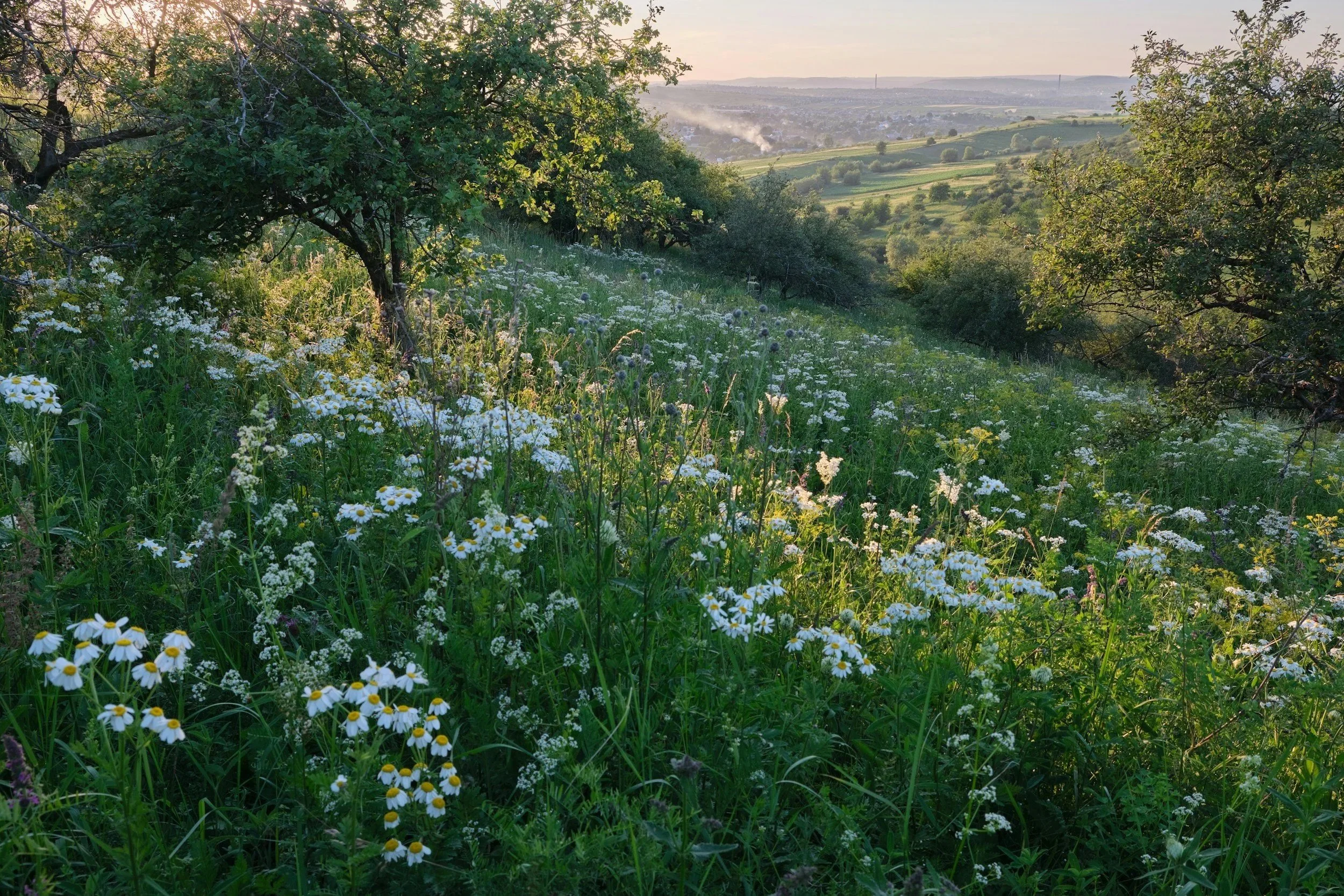
That’s a great question! Simply put, native plants are the foundation of a healthy and functioning ecosystem. For example, the young of many local songbirds require caterpillars in order to successfully fledge. The majority of these necessary plant-feeding insects depend on native plants, a result of thousands of years of coevolution. Sadly, the popular modern yard is dominated by non-native plants and manicured lawns. These yards typically provide little to no ecological value and at times require high amounts of chemical pesticides to maintain. Below we will break down 4 incredibly large benefits from planting natively.
Fledge: to acquire the feathers necessary for flight or independent activity.
(Just incase. I had to look it up when I learned.)
-
When you choose to include a plant into your garden, you impact the natural areas around your home as well. Your garden cross pollinates with nearby wild plants and may even disperse seeds or berries into surrounding habitats. When that plant is native your garden can actually benefit those surrounding natural areas and wildlife!
-
Many birds and pollinators call our native plants home! Planting native plants provides our local wildlife with not only the shelter they have evolved with over time but the food that comes with it. Take our lovely monarch butterflies as an example: their only food source is milkweed, a Maryland native wildflower.
-
The traditional suburban lawn is notorious for requiring high amounts of pesticides and fertilizers with high levels of chemicals. By adding native plants into your landscaping you remove the need for so many chemicals, making your yard safer for you, your loved ones, and your whole community.
-
Because native plants have evolved with local weather conditions over time, they require far less water than a garden full of plants adapted to different environmental conditions. Filling your garden with native plans means saving time, money, and water!